Followers and daily Friends

Showing posts with label Ancient Samos. Show all posts

Monday, 10 January 2011

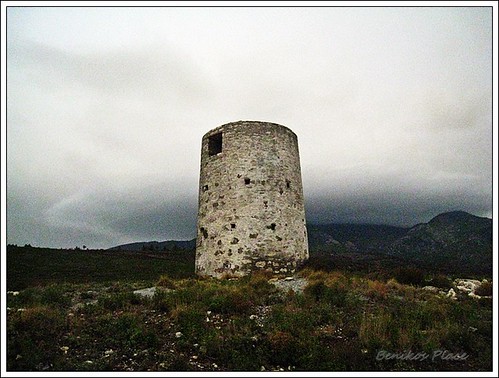
The old windmill in Mitilinii Samos


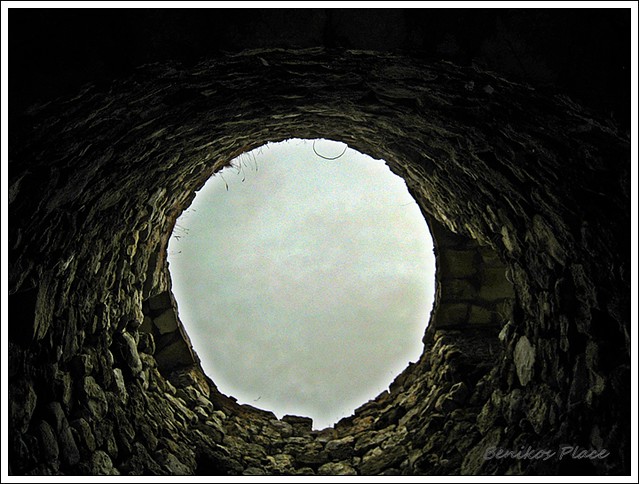
IMG_0035 (3)


view from inside

This windmill is one of many in my Villege. Is my favorite since I always was able to see it from my window when I was child...


From Wikipedia:
A windmill is a machine which converts the
energy of wind into rotational motion by means of adjustable vanes called sails. The main use is for a grinding mill powered by the wind, reducing a solid or coarse substance into pulp or minute grains, by crushing, grinding, or pressing.Windmills have also provided energy to sawmills, paper mills, hammermills.


IMG_0031 (3)

From outside


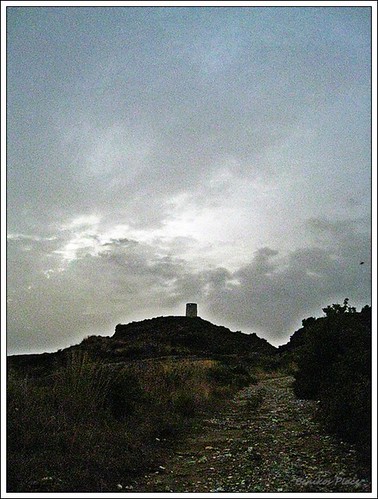
IMG_0027 (3)


view from far away..


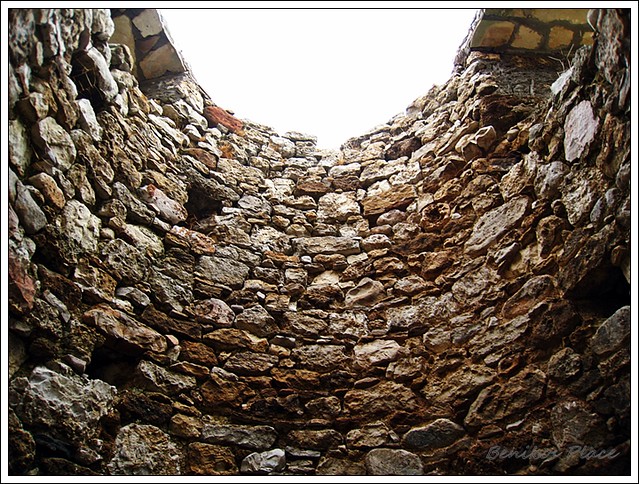
IMG_0036 (3)


The stonework inside.

Monday, 20 December 2010

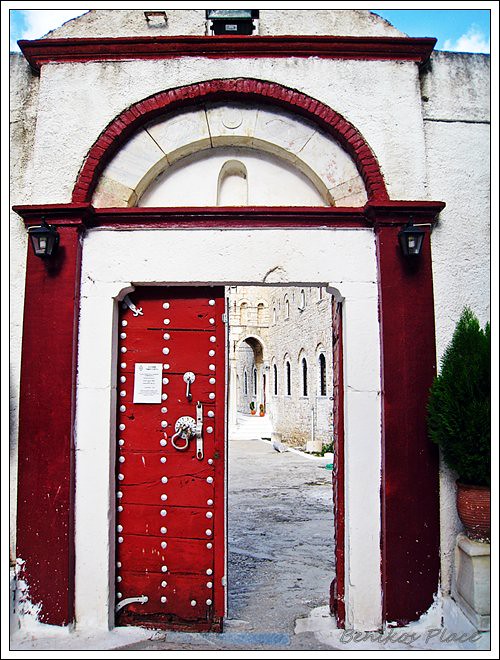
The entrance of the Holy Cross Monastery


IMG_0021 (6)


It is located two kilometers Southeast of the village of Mavratzeoi next to the road and on altitude of 200 meters. In 1582, monk Neilos has founded a small church and in 1604 he and his brother Dionysios expanded it. There are frescoes, a magnificent woodcut temple and a lot of holly ware.


Monday, 29 November 2010

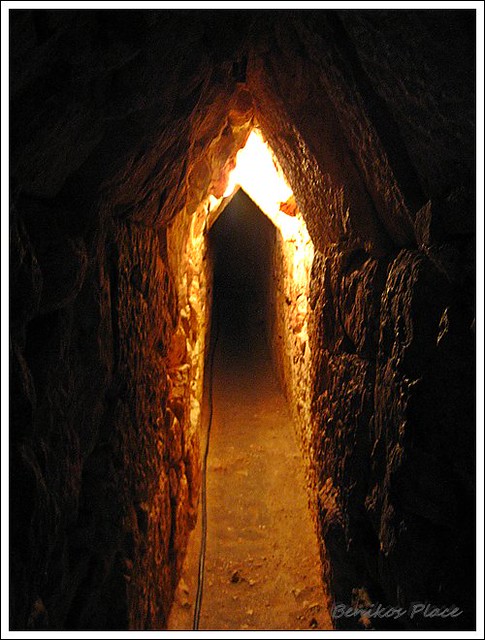
Tunnel of Eupalinos


MellowYellowBadge

The Tunnel of Eupalinos or Eupalinian aqueduct (Modern Greek: Efpalinio orygma, Ευπαλίνειο όρυγμα) is a tunnel of 1,036 m (3,399 ft) length in Samos, Greece, built in the sixth century BC to serve as an aqueduct. The tunnel is the second known tunnel in history which was excavated from both ends (Ancient Greek: αμφίστομον, amphistomon, "having two openings"), and the first with a geometry-based approach in doing so.[1] Today it is a popular tourist attraction.


EUPALINOS TUNEL


Read more in Wikipedia

Monday, 15 November 2010

Solid foundation


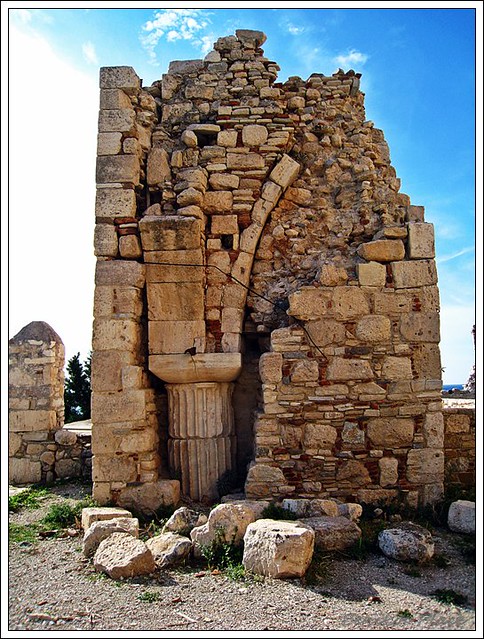
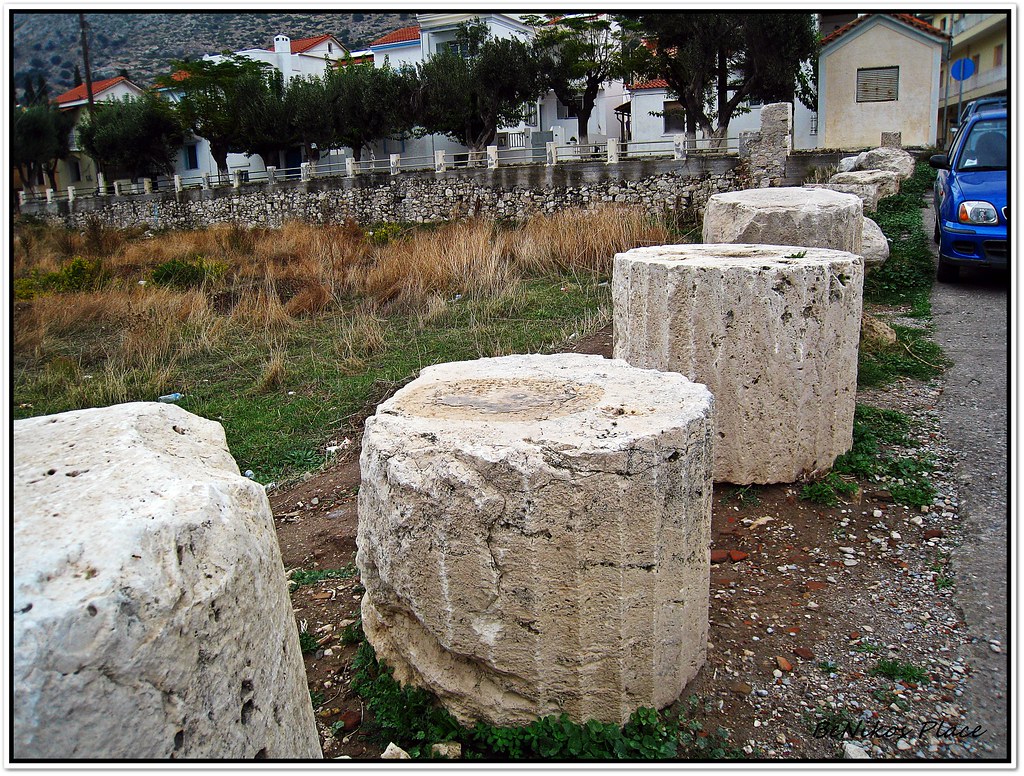
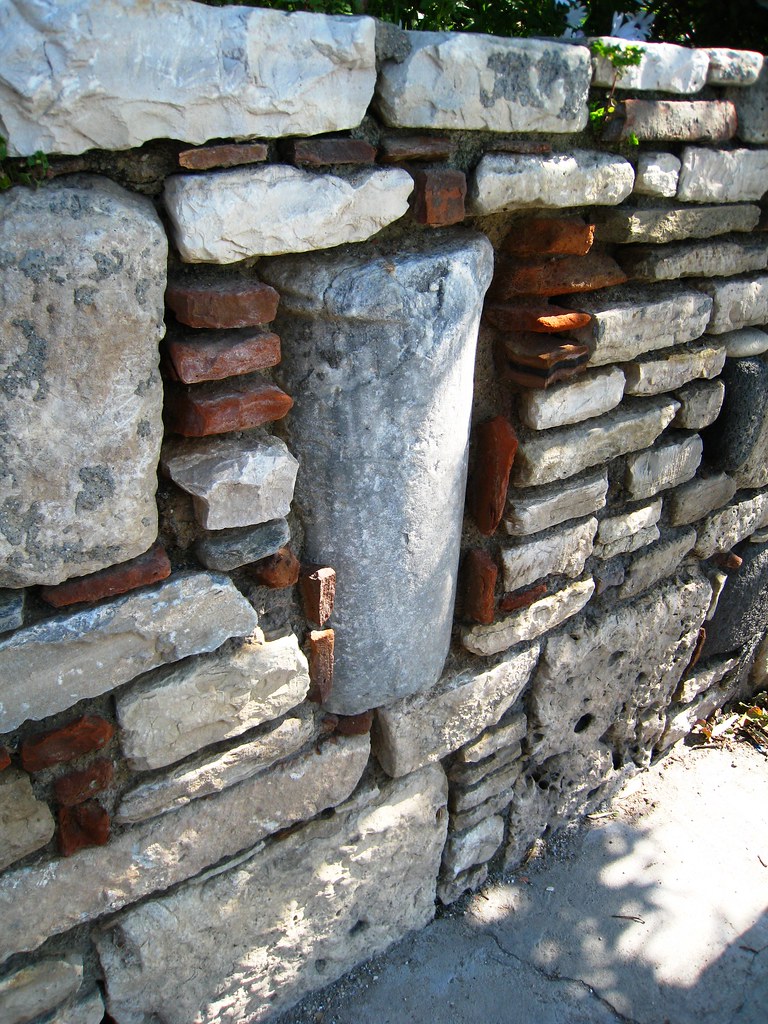
In the old church next to the castle of Pythagorion the visitor can see this:
The solid foundation of an ancient column used for the new wall...
this is also a way to build history...

IMG_0078 (2)

Sunday, 7 November 2010

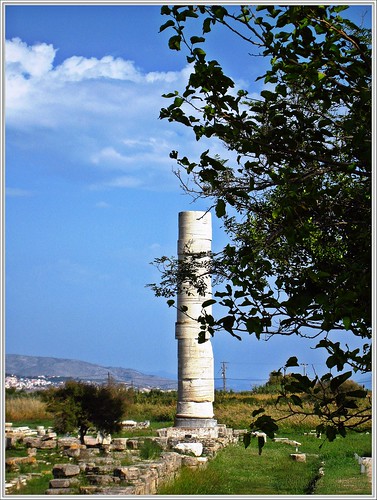
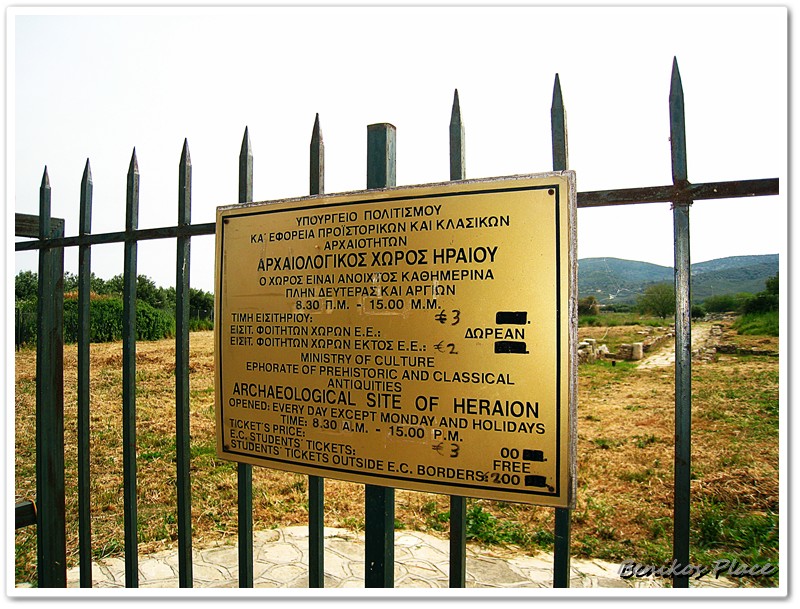
Heraion Samos


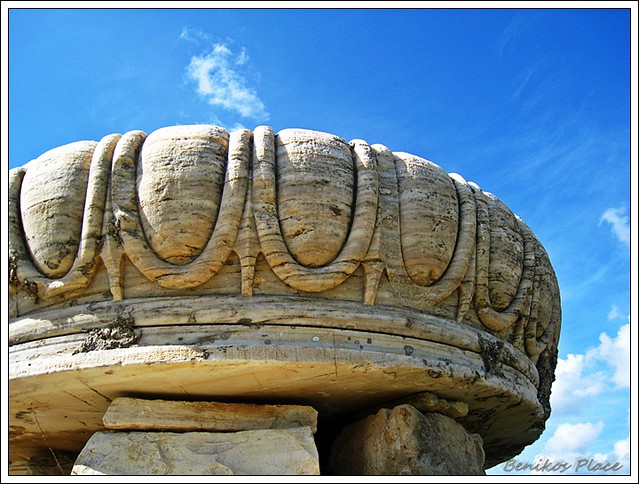
The Heraion of Samos was a great sanctuary in the southern region of Samos, 6 km southwest of the ancient city, in a low, marshy river basin near the sea. The Late Archaic Heraion of Samos was the first of the gigantic free-standing Ionic temples, but its predecessors at this site reached back to the Geometric Period of the 8th century BC,[1] or earlier.[2] The site of temple's ruins, with its sole standing column, was designated a joint UNESCO World Heritage Site, along with the nearby Pythagoreion in 1992. Wikipedia.


HERAION-SAMOS

Saturday, 28 August 2010

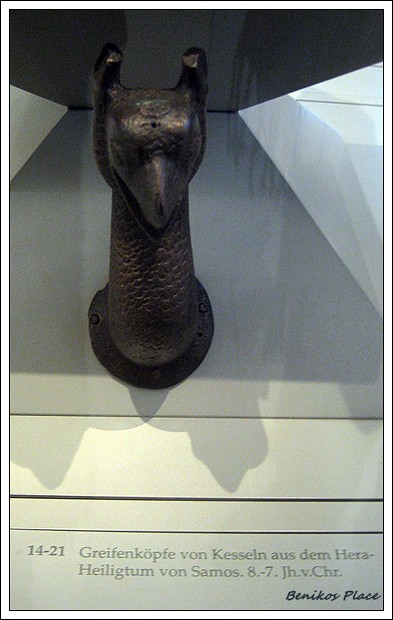
Griffin from Samos


IMG_3816


The griffin, griffon, or gryphon (Greek: γρύφων, grýphōn, or γρύπων, grýpōn; Latin: gryphus) is a legendary creature with the body of a lion and the head and wings of an eagle. As the lion was traditionally considered the king of the beasts and the eagle was the king of the birds, the griffin was thought to be an especially powerful and majestic creature. Griffins are normally known for guarding treasure and well valued priceless possession.[1] Adrienne Mayor, a classical folklorist, propounds the griffin was an ancient misconception derived from fossilized remains of the Protoceratops found in conjunction with gold mining in the Altai mountains of Scythia, in present day southeastern Kazakhstan.[2] In antiquity it was a symbol of divine power and a guardian of the divine.[3]

From Wikipedia


IMG_3813


Seen in Altes Museum in Berlin.

Monday, 23 August 2010

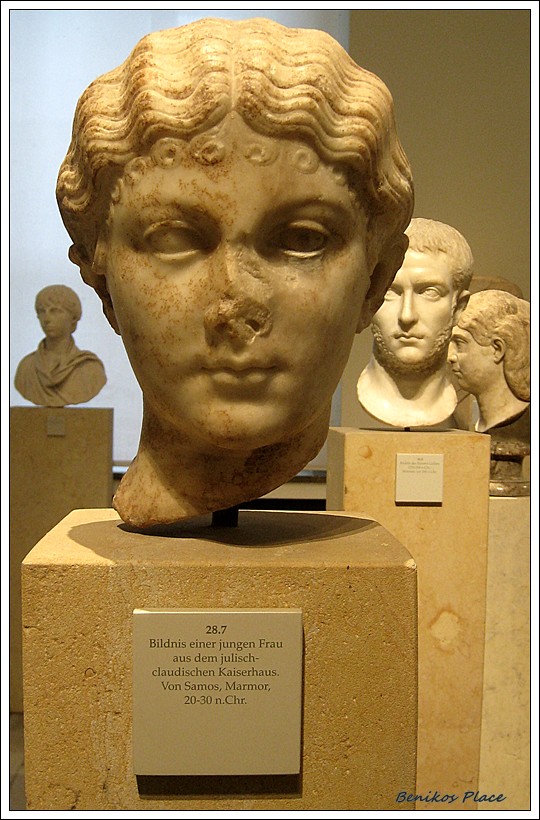
Jung Lady from Samos


Head of a jung lady found in Samos. Roman period 20-30 AD . Now in "Altes Museum" in Berlin Gérmany.

IMG_3913

Friday, 9 July 2010

Kolona - Hera's Temple in Heraion


IMG_0138


The Heraion of Samos was a great sanctuary in the southern region of Samos, 6 km southwest of the ancient city, in a low, marshy river basin near the sea. The Late Archaic Heraion of Samos was the first of the gigantic free-standing Ionic temples, but its predecessors at this site reached back to the Geometric Period of the 8th century BCE,[1] or earlier.[2] The site of temple's ruins, with its sole standing column, was designated a joint UNESCO World Heritage Site, along with the nearby Pythagoreion in 1992.

Wikipedia

Tuesday, 19 January 2010

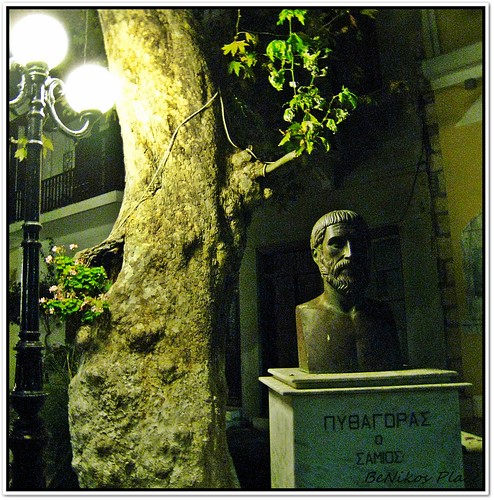
Pythagoras of Samos


IMG_0004


Pythagoras of Samos (Greek: Ὁ Πυθαγόρας ὁ Σάμιος, O Pūthagoras o Samios, "Pythagoras the Samian", or simply Ὁ Πυθαγόρας; c. 570-c. 495 BC[1]) was an Ionian Greek philosopher and founder of the religious movement called Pythagoreanism. Most of our information about Pythagoras was written down centuries after he lived, thus very little reliable information is known about him. He was born on the island of Samos, and may have travelled widely in his youth, visiting Egypt and other places seeking knowledge. Around 530 BC, he moved to Croton, a Greek colony in southern Italy, and there set up a religious sect. His followers pursued the religious rites and practices developed by Pythagoras, and studied his philosophical theories. The society took an active role in the politics of Croton, but this eventually led to their downfall. The Pythagorean meeting-places were burned, and Pythagoras was forced to flee the city. He is said by some to have ended his days in Metapontum.
Pythagoras made influential contributions to philosophy and religious teaching in the late 6th century BC. He is often revered as a great mathematician, mystic and scientist, and he is best known for the Pythagorean theorem which bears his name. However, because legend and obfuscation cloud his work even more than with the other pre-Socratic philosophers, one can say little with confidence about his teachings, and some have questioned whether he contributed much to mathematics and natural philosophy. Many of the accomplishments credited to Pythagoras may actually have been accomplishments of his colleagues and successors. We do know that his disciples believed that everything was related to mathematics and that numbers were the ultimate reality. It was said that he was the first man to call himself a philosopher, or lover of wisdom,[2] and Pythagorean ideas exercised a marked influence on Plato, and through him, all of western philosophy.


From wikipedia

Monday, 4 January 2010

Part view of the castle of Logothetis

IMG_0025

The Castle of Lykourgos Logothetis, leader of the Samiots against the Turks in the uprising of 1821, was built on the remains of ancient buildings to meet the needs of the revolution and housed the Samiots' headquarters during their endeavours to throw off the Turkish yoke. It has a length of 400 metres and was built in 1824 with the help of all the islanders as a defence against the Ottoman fleet. Near the castle stands the imposing Church of the Transfiguration, whose annual festival is observed each year on 6 August, the date on which in 1824 Samos was saved from the onset of the Turks.

Wednesday, 4 November 2009

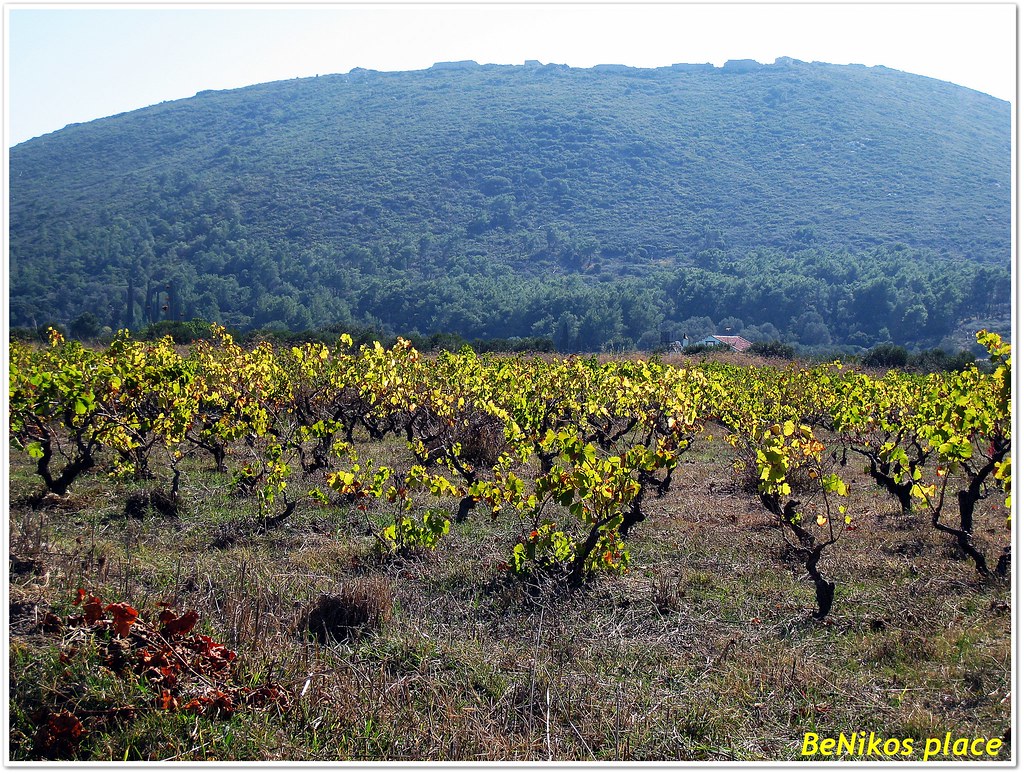
The Ancaeus vineyards

IMG_0014
A view from Agiades valley, on the top of the hill stil visible the ruins of the great wall around the ancient capital of Samos.

Ancaeus of Samos

Ancaeus was king of the island of Samos, and an Argonaut: helmsmanship was his special skill.[1] He was a son of Poseidon and Astypalaea, and brother of Eurypylus.[2] By other accounts his father was the Lelegian king Altes, which accords well with Ancaeus's rule over the Leleges of Samos. According to a lost epic of his house, sung by the Samian poet Asios, he married Samia, daughter of the river god Maeander, who bore him Perilaus, Enudus, Samus, Alitherses, and Parthenope, the mother of Lycomedes.[3] The most famous story surrounding this Ancaeus is the following: When planting a vineyard, for Samos was famed for its wine, he was told by a seer that he would never taste its wine. Ancaeus then joined the voyage of the Argonauts, and returned home safely, by which time the grapes were ripe and had been made into wine. He summoned the seer before him, and raised a cup of his own wine to his lips, and was ready to taste it for the first time. He then mocked the seer, who retorted, "There is many a slip between cup and the lip" (Πολλὰ μεταξὺ πέλει κὐλικος καὶ Χείλεος άκροὒ). Before Ancaeus had tasted the wine, an alarm was raised that a wild boar was ravaging the vineyard, and on hearing this, Ancaeus dropped the cup and went out to investigate – and was promptly killed by the boar.[

Wednesday, 21 October 2009

History everywhere

IMG_0070

Seen in a wall on the main street of Pythagorio, Greek history over 4000 years..Its nice to have the feeling of an identity.

Wednesday, 14 October 2009

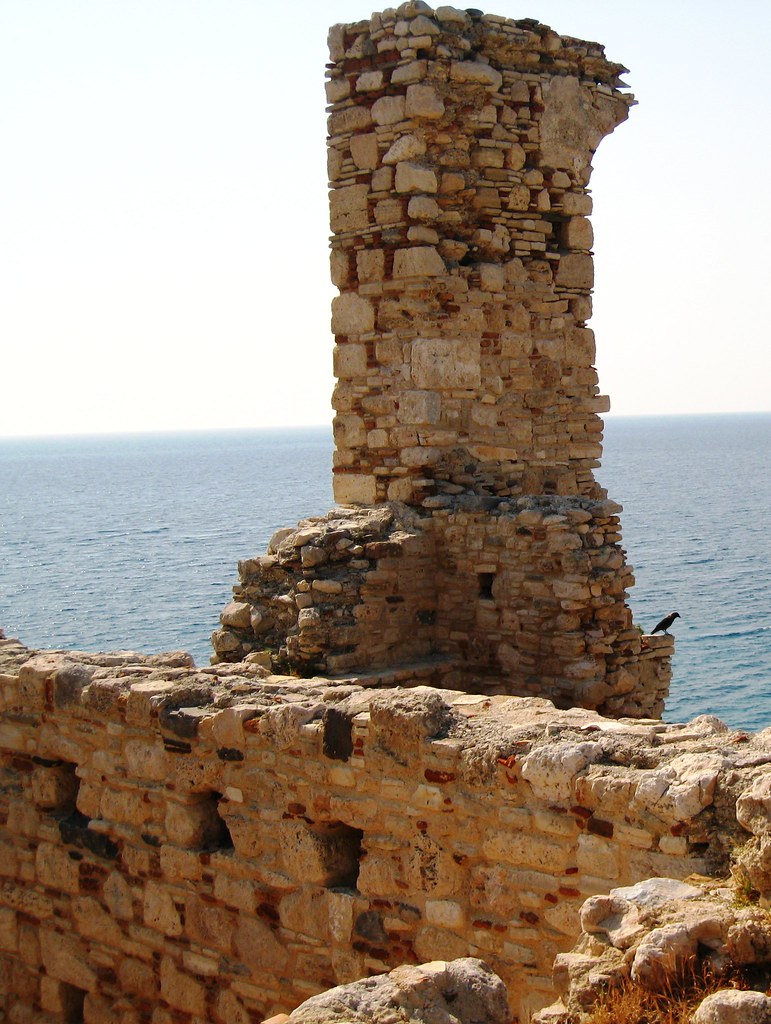
The wall of Polycrates

DSCI0102


Polycrates (Greek: Πολυκράτης), son of Aeaces, was the tyrant of Samos from c. 538 BC to 522 BC.

He took power during a festival of Hera with his brothers Pantagnotus and Syloson, but soon had Pantagnotus killed and exiled Syloson to take full control for himself. He then allied with Amasis II, pharaoh of Egypt, as well as the tyrant of Naxos Lygdamis. With a navy of 100 penteconters and an army of 1,000 archers, he plundered the islands of the Aegean Sea and the cities on the Ionian coast of Asia Minor, defeating and enslaving the navies of Lesbos and Miletus. He also conquered the small island of Rhenea, which he chained to nearby Delos as a dedication to Apollo.

He had a reputation as both a fierce warrior and an enlightened tyrant. On Samos he built an aqueduct, a large temple of Hera (the Heraion, to which Amasis dedicated many gifts), and a palace later rebuilt by the Roman emperor Caligula. In 522 BC he celebrated an unusual double festival in honour of the god Apollo of Delos and of Delphi; it has been suggested that the Homeric Hymn to Apollo, sometimes attributed to Cynaethus of Chios, was composed for this occasion.[1] Polycrates was certainly a patron of the poets Anacreon, and Ibycus[2] and of the Crotonian doctor Democedes.

According to Herodotus, Amasis thought Polycrates was too successful, and advised him to throw away whatever he valued most in order to escape a reversal of fortune. Polycrates followed the advice and threw a jewel-encrusted ring into the sea; however, a few days later, a fisherman caught a large fish that he wished to share with the tyrant. While Polycrates' cooks were preparing the fish for eating, they discovered the ring inside of it. Polycrates told Amasis of his good fortune, and Amasis immediately broke off their alliance, believing that such a lucky man would eventually come to a disastrous end.

From Wikipedia

Tuesday, 6 October 2009

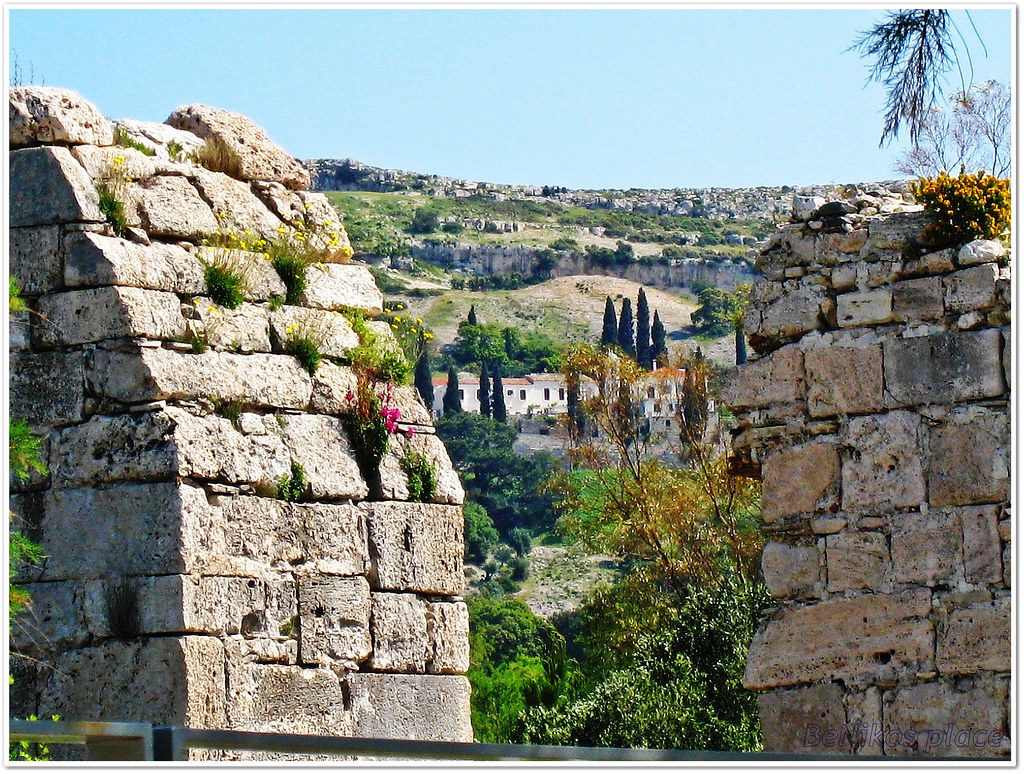
Spiliani Monastery

IMG_0132

The Panagia spiliani Monastery seen bettween the walls of a church ruins called "Dontia" close to the beach.More information about this wonderfull place in my next post.Enjoy it!!